
Standby Generators · Transfer Switches · Interlocks
Generator Installation in Tuscaloosa, AL
When a West Alabama storm knocks the power out, a properly installed generator keeps the lights, fridge, AC and well pump running, and keeps utility crews safe. Next Electrician Tuscaloosa installs whole-house standby generators, automatic transfer switches and portable generator interlocks across Tuscaloosa, Northport and nearby communities.
- Residential & commercial
- 24/7 emergency calls
- Tuscaloosa, Northport & nearby
Why Tuscaloosa homes add backup power
Tuscaloosa sits in a part of Alabama that sees severe thunderstorms, high winds and tornadoes in both spring and late fall, and the April 2011 tornado is still part of local memory. Outages from downed trees and lines can last from a few hours to several days. For many households, backup power isn't about comfort. It covers medical equipment, a sump or well pump, keeping food cold, running a home office, or keeping a small business open.
Standby vs. portable generators
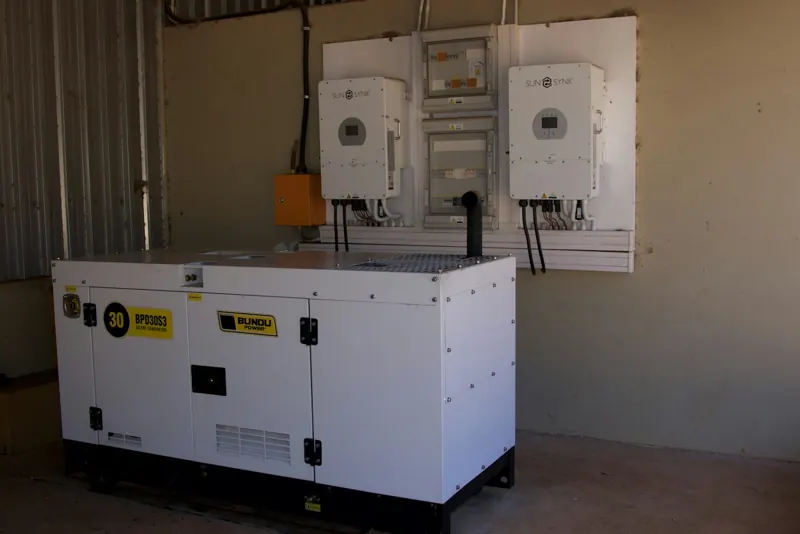
Whole-house standby generators
A standby generator sits permanently outside on a pad, runs on natural gas or propane, and is wired through an automatic transfer switch. When utility power drops, it starts on its own, usually within seconds, and switches your home over. When power returns, it switches back and shuts down. Standby units can be sized for essential circuits or the whole house, including central air.
Portable generators with an interlock or manual transfer switch
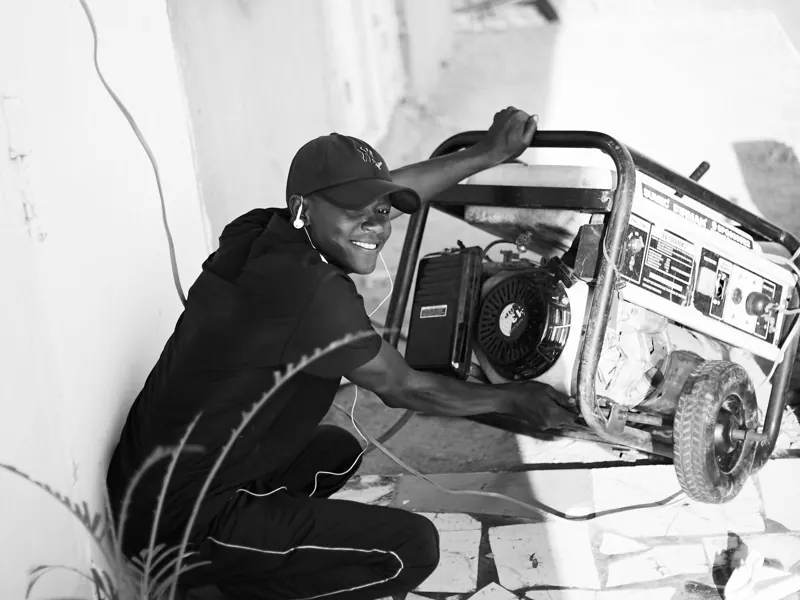
A portable generator is the lower-cost option. Instead of running extension cords through a window, we install a generator inlet outside and either a panel interlock kit or a manual transfer switch. You roll the generator out, plug in one cord, flip the interlock and power selected circuits safely. You'll need to manage the loads yourself and refuel it, but it's a big step up from cords.
Transfer switches and interlocks: never backfeed
Plugging a generator into a dryer outlet or wall outlet with a "suicide cord" is illegal and dangerous. It can push power back out onto the utility lines, where it can seriously injure or kill line workers, and it can damage your generator and wiring when power returns. A transfer switch or listed interlock physically prevents utility power and generator power from being connected at the same time. The National Electrical Code requires this kind of transfer equipment for a generator connected to a home's wiring.
Sizing: what do you need running?
The right generator size depends on what you want powered during an outage. Start with a short list:
- Essentials only: refrigerator, freezer, a few lights and outlets, internet, sump or well pump, gas furnace blower
- Essentials plus comfort: add a central AC or heat pump, water heater, or cooking
- Whole house: everything runs as normal, with load management on the largest appliances
Large motor loads like air conditioners and well pumps draw a surge when they start, and that drives sizing. We'll go through your list, look at your panel and recommend a size, and if a smaller generator with load management covers your needs, we'll say so.
Fuel: natural gas vs. propane
Natural gas is convenient if your home already has it. There's no refueling, though the gas meter and line must be big enough for the generator plus your other gas appliances. Propane works anywhere and is common in rural parts of Tuscaloosa County, but runtime depends on tank size, and the tank has to be kept filled. Gas line and tank work is typically handled by a licensed gas fitter or propane supplier. We'll coordinate the electrical side with them.
Placement, permits and inspection
Standby generators have to be placed with the right clearances from windows, doors, vents and property lines, following the manufacturer's instructions and local codes. They also need a level pad and a short, practical route for the gas line and wiring. Because a generator installation involves new circuits and transfer equipment, it needs a permit in the City of Tuscaloosa, which lists alterations involving new circuits as permit work. Northport and the county have their own permit processes, and we confirm which applies to your address.
How generator installation works
- Site visit. We talk about what you want powered, review your panel and service, and pick a location.
- Sizing and options. You'll get a recommendation: standby with automatic transfer, or portable with an inlet and interlock.
- Permits and coordination with your gas or propane provider.
- Installation. Pad, generator, transfer switch or interlock, wiring and grounding.
- Start-up and testing. We simulate an outage, confirm the transfer works both ways, and show you how the system operates.
- Inspection by the authority having jurisdiction.
Portable generator safety
Portable generators produce carbon monoxide, which you can't see or smell. Always run them outdoors, well away from doors, windows and vents, and never in a garage, even with the door open. Install battery-powered CO alarms inside. Let the engine cool before refueling. Use a properly installed inlet and interlock instead of cords through a window, so the generator can sit at a safe distance from the house.
Maintenance and testing
Standby generators run a short self-test on a schedule and need periodic maintenance: oil and filters, battery checks and a look at the transfer switch. A generator that hasn't been maintained is the one that won't start during an outage. For portable generators, run them every month or two and keep fresh, stabilized fuel on hand.
What affects generator installation cost
- Generator type and size: a portable setup with an interlock or a whole-house standby unit
- Transfer equipment: an interlock, a manual switch, or an automatic transfer switch with load management
- Distance between the generator, the gas meter or tank and the panel
- Panel condition: an old or full panel may need work or an upgrade first
- Gas or propane work, the pad and permits
Storm-prep checklist for Tuscaloosa homes
- Install whole-house surge protection, because storms bring surges as well as outages
- Have a safe generator connection, an inlet and interlock or a transfer switch, in place before storm season
- Keep fuel stabilized and stored safely, or confirm your propane level
- Run your generator under load before the season starts
- Know where your main breaker is and how to shut it off
- Save our number for 24/7 emergency service after storm damage
Project Gallery
Electrical work examples: photos of the kind of generator and transfer equipment work this page covers. They are illustrative and are not presented as specific local jobs, customers or locations.
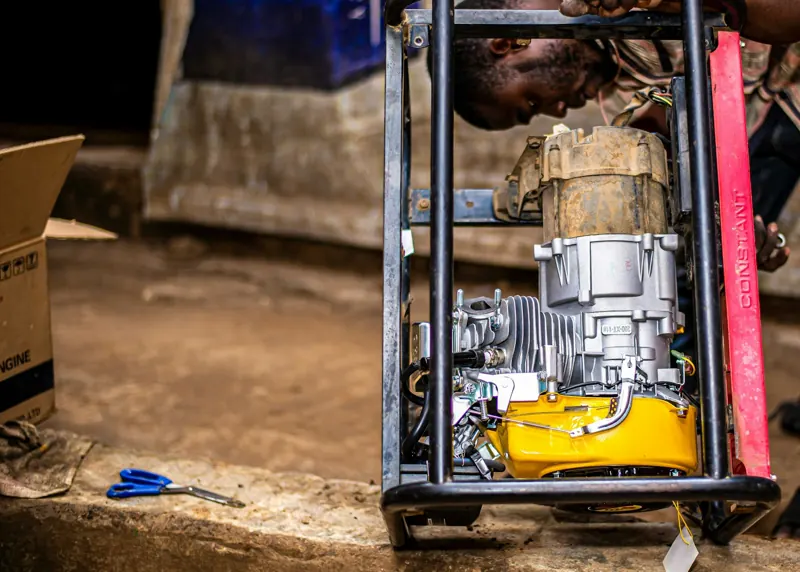
A portable generator, often paired with an inlet and interlock. 
Life without power is the reason many homes add a generator. 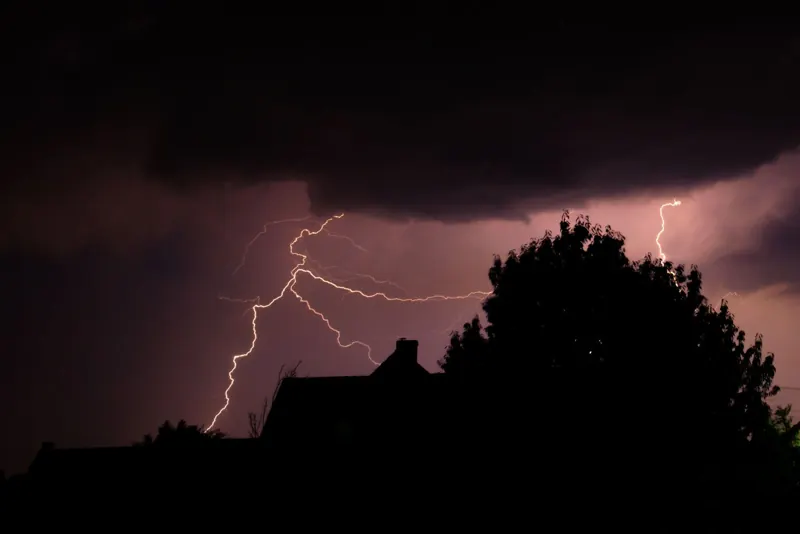
Storm season is when backup power matters most.
Frequently asked questions
Do I need a permit to install a generator in Tuscaloosa?
A permanently connected generator involves new circuits and transfer equipment, which the City of Tuscaloosa lists as permit work. Northport and Tuscaloosa County addresses follow their own rules, and we check which applies.
What size generator do I need for my house?
It depends on what you want running. Essentials-only setups need far less capacity than whole-house backup with central AC. A walk-through of your loads and panel gives the real answer.
Is it safe to plug my generator into a dryer outlet?
No. That backfeeds the house wiring, which is illegal and can electrocute utility workers. Use a listed interlock with an inlet, or a transfer switch.
Can you install a generator for my business?
Yes. Standby power for offices, restaurants, clinics and shops follows the same principles with commercial-sized equipment. See our commercial electrician page.
How long will a standby generator run?
On natural gas, it runs as long as the gas supply holds and maintenance intervals are respected. On propane, runtime depends on tank size and load, and we can help you estimate it.
Get ready before the next storm. Call about a generator.
Call and talk it through. Emergency calls are answered 24/7.
Call +123456789